
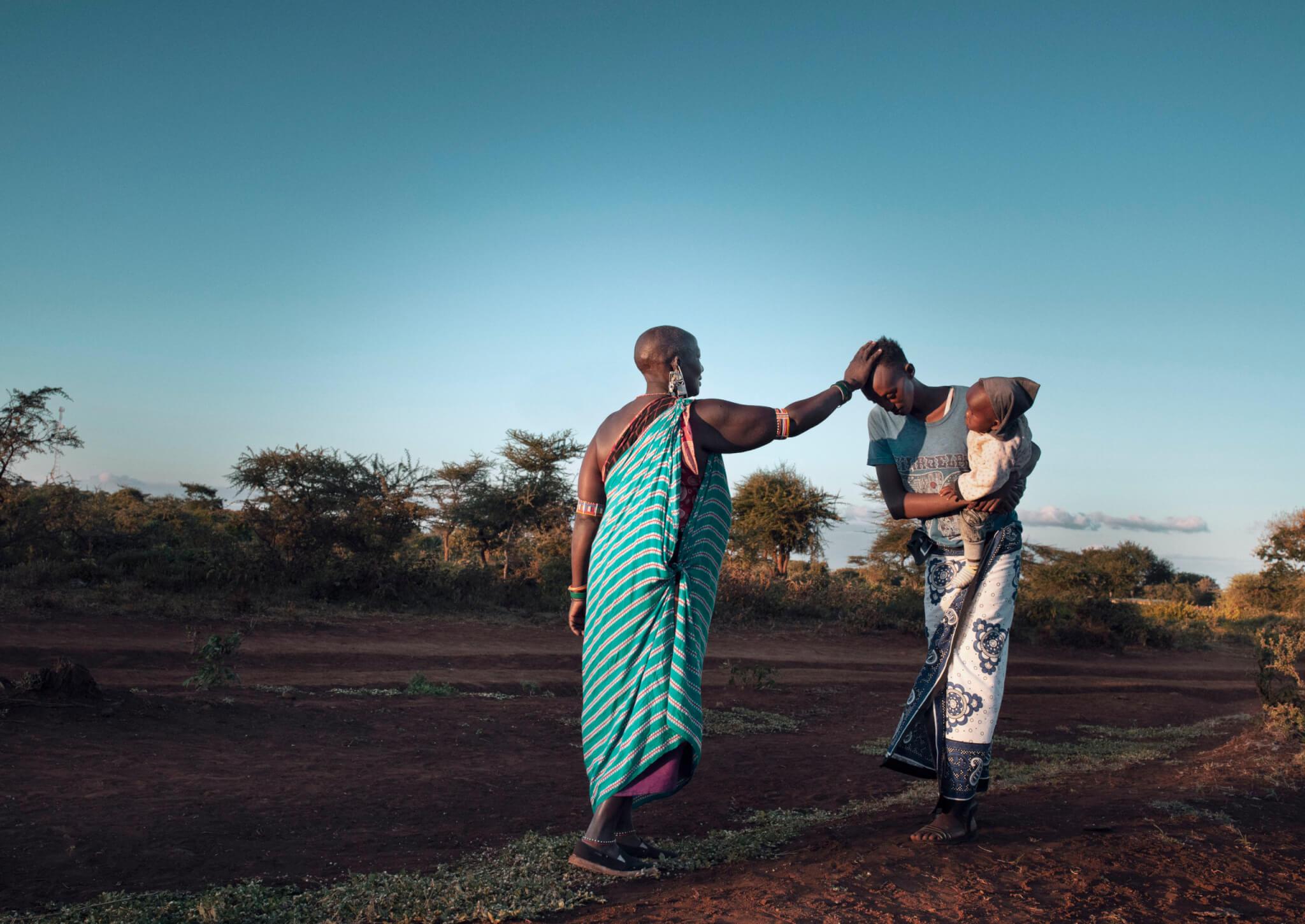
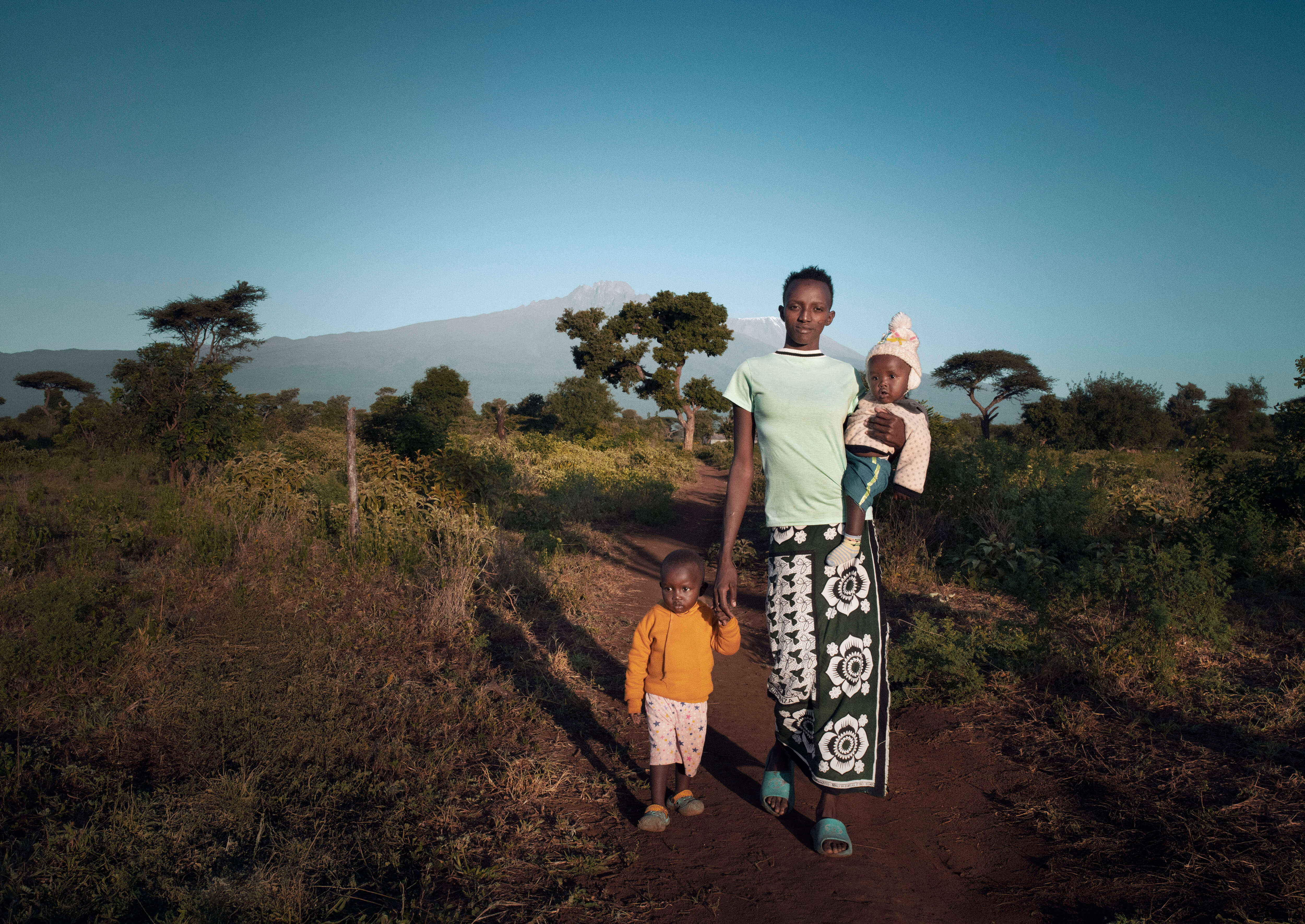
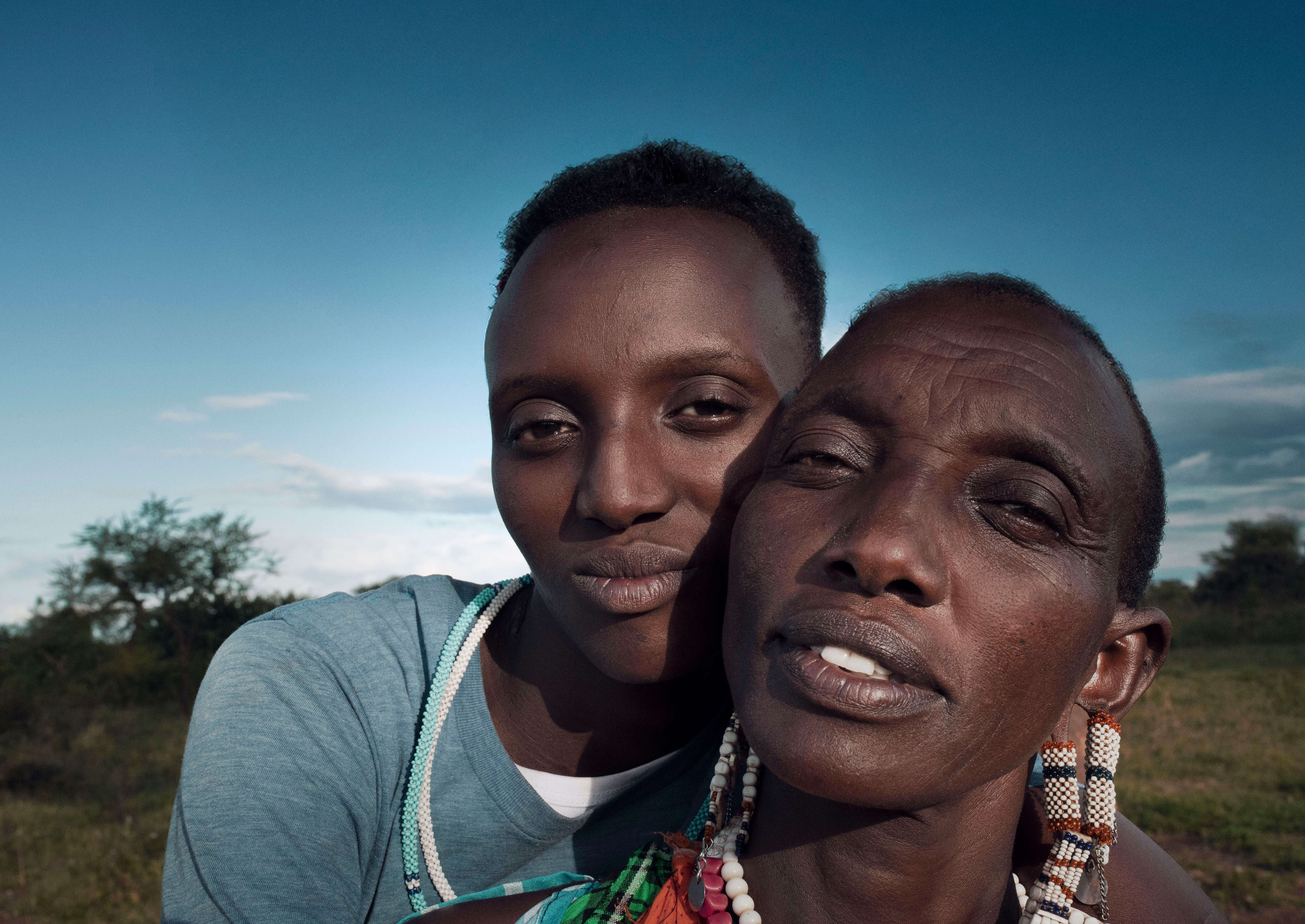
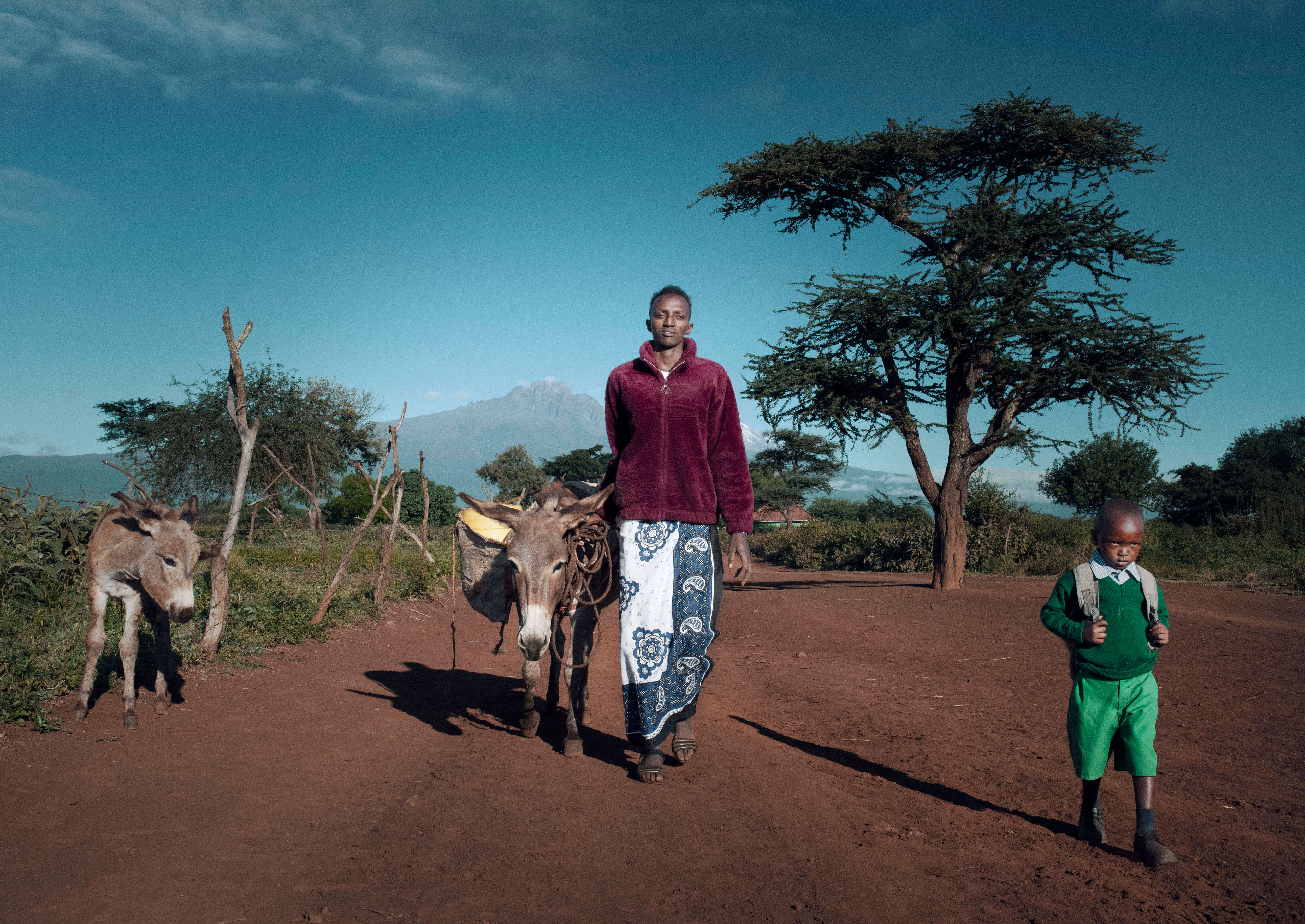
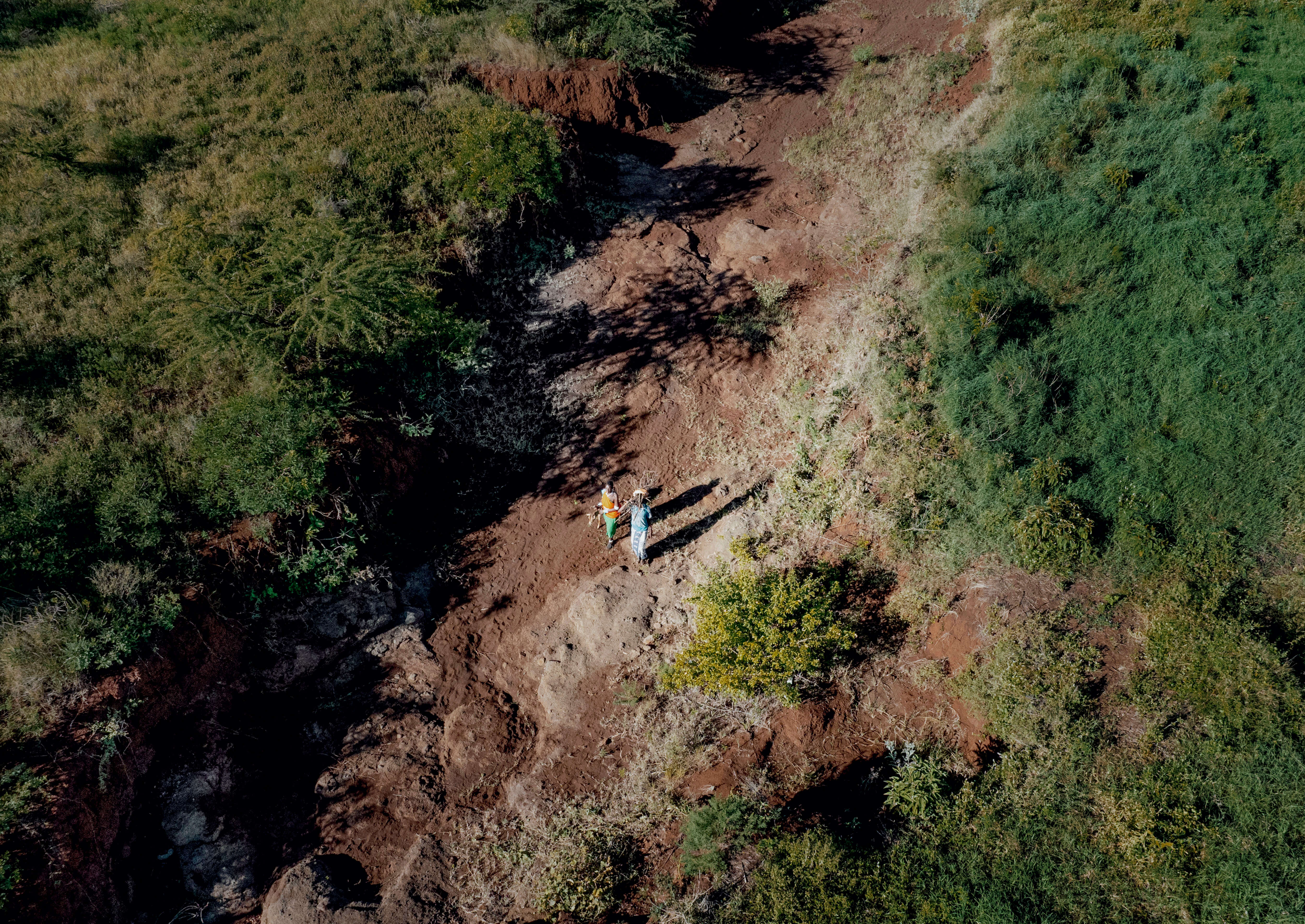
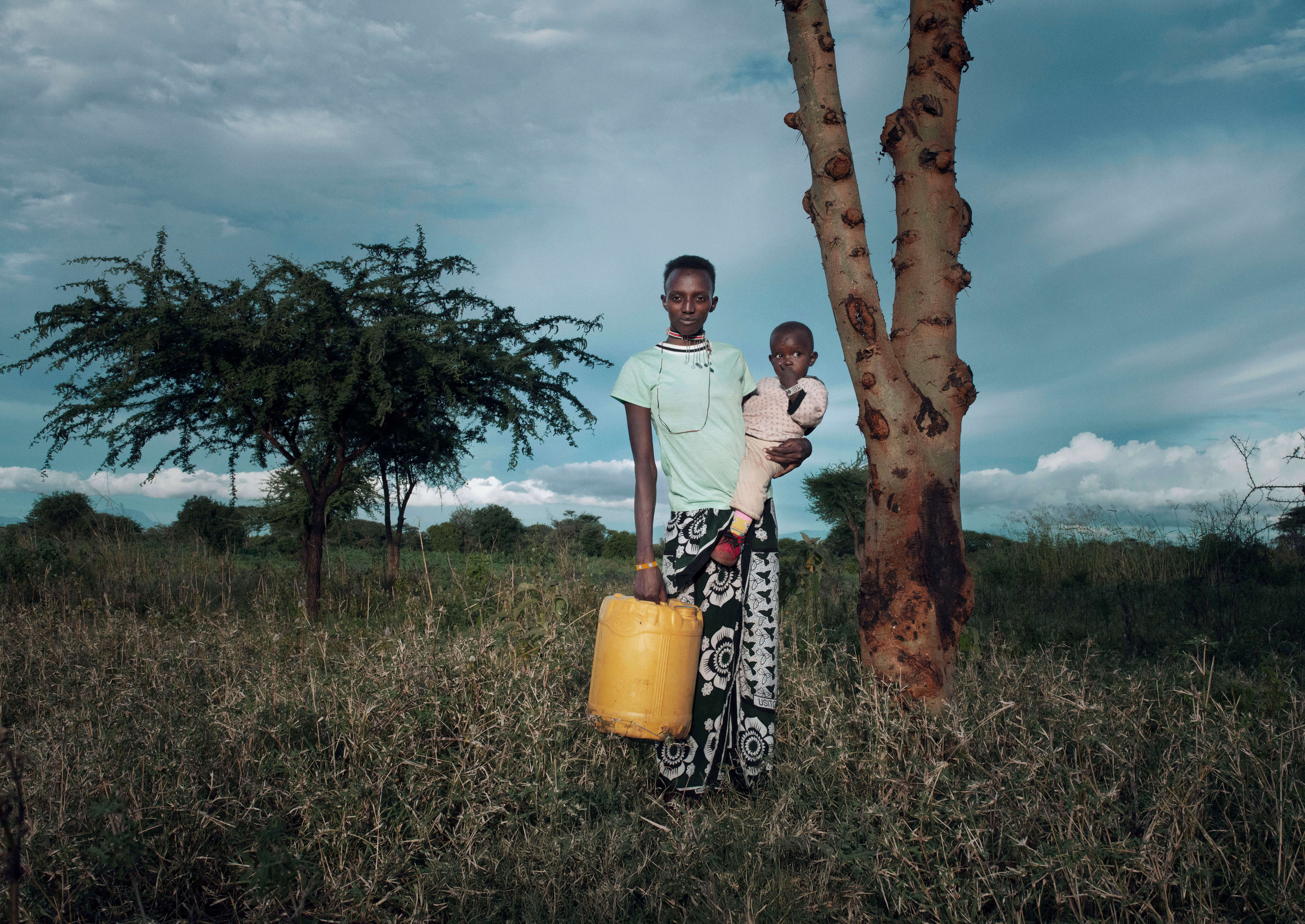
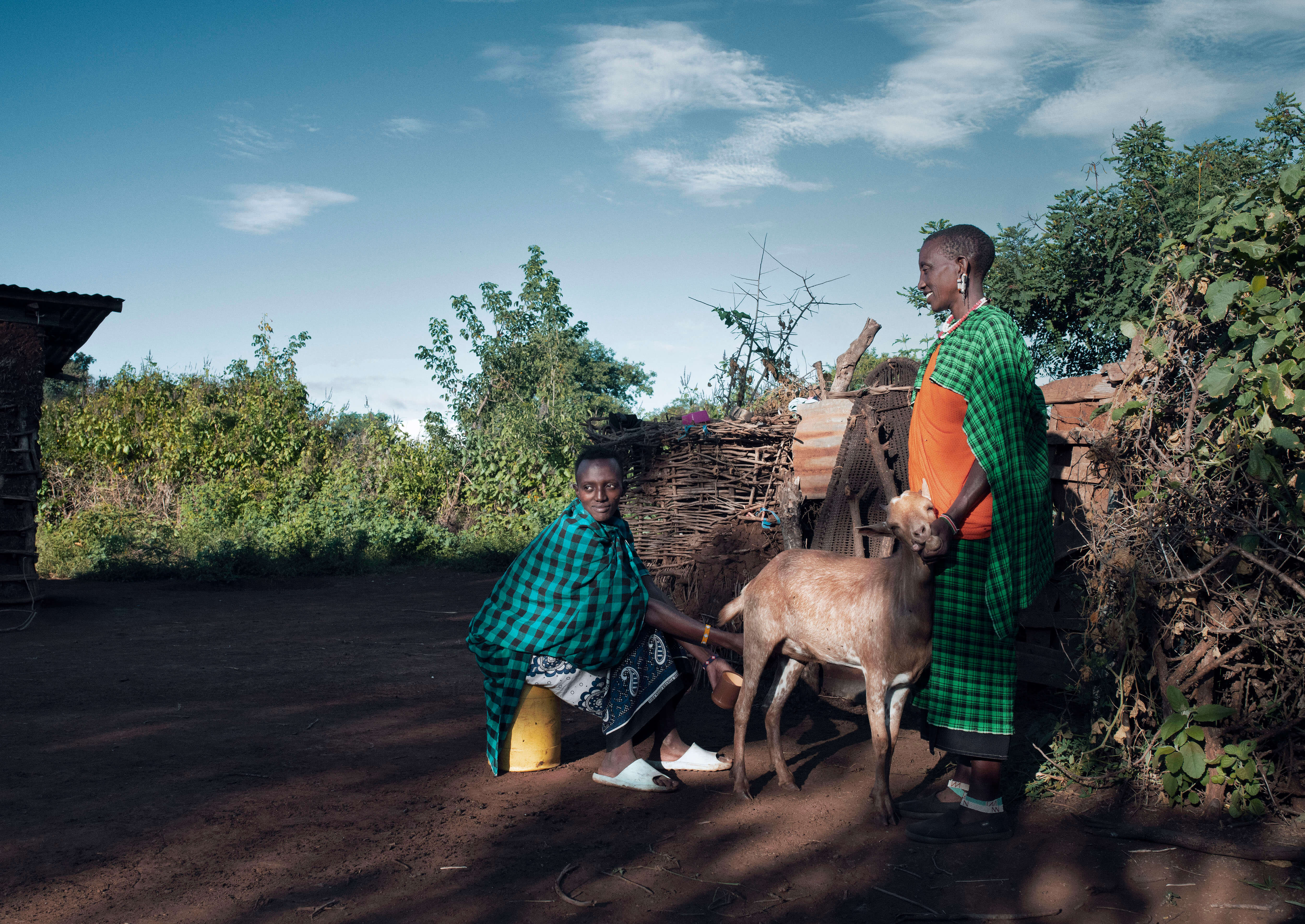
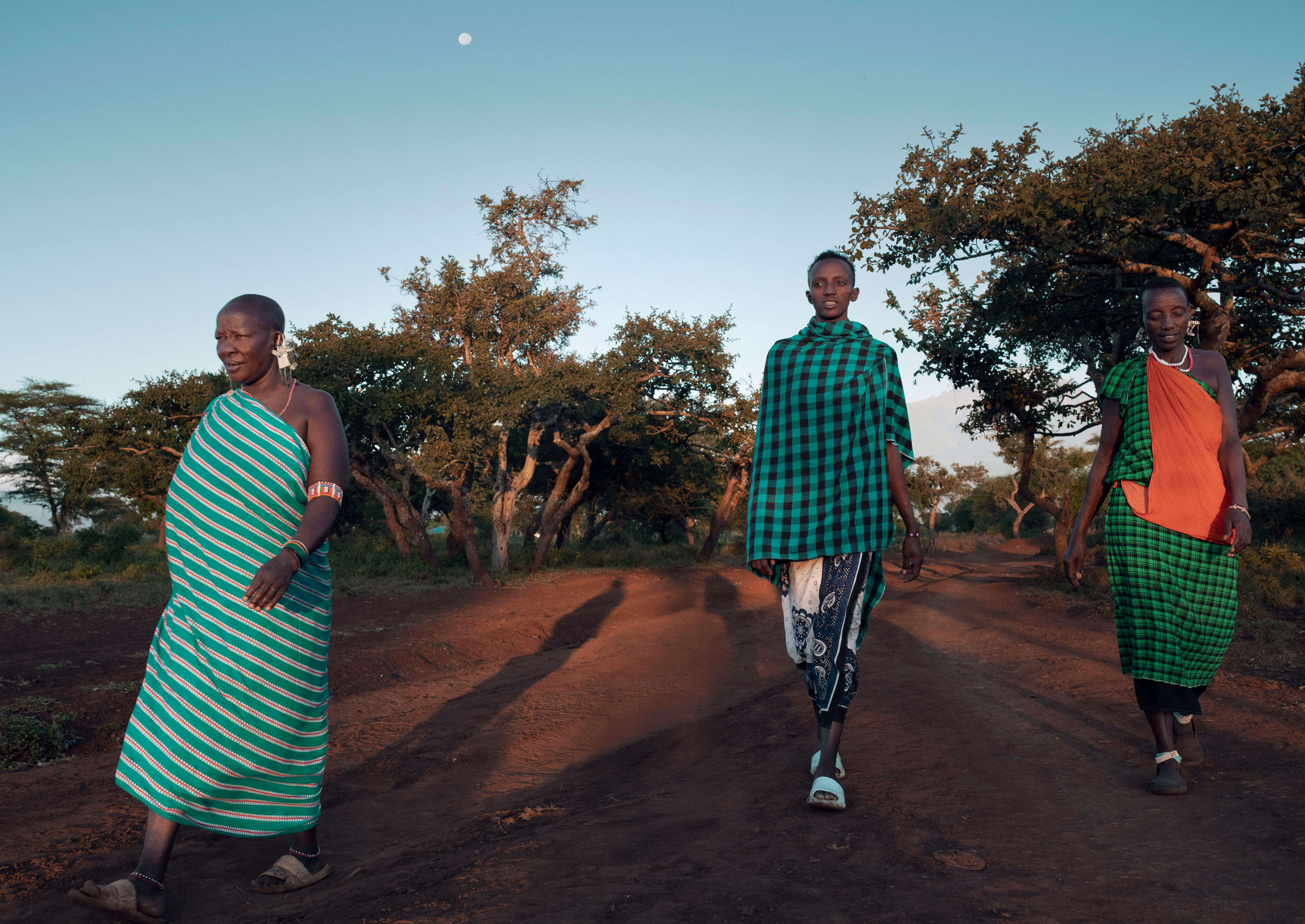
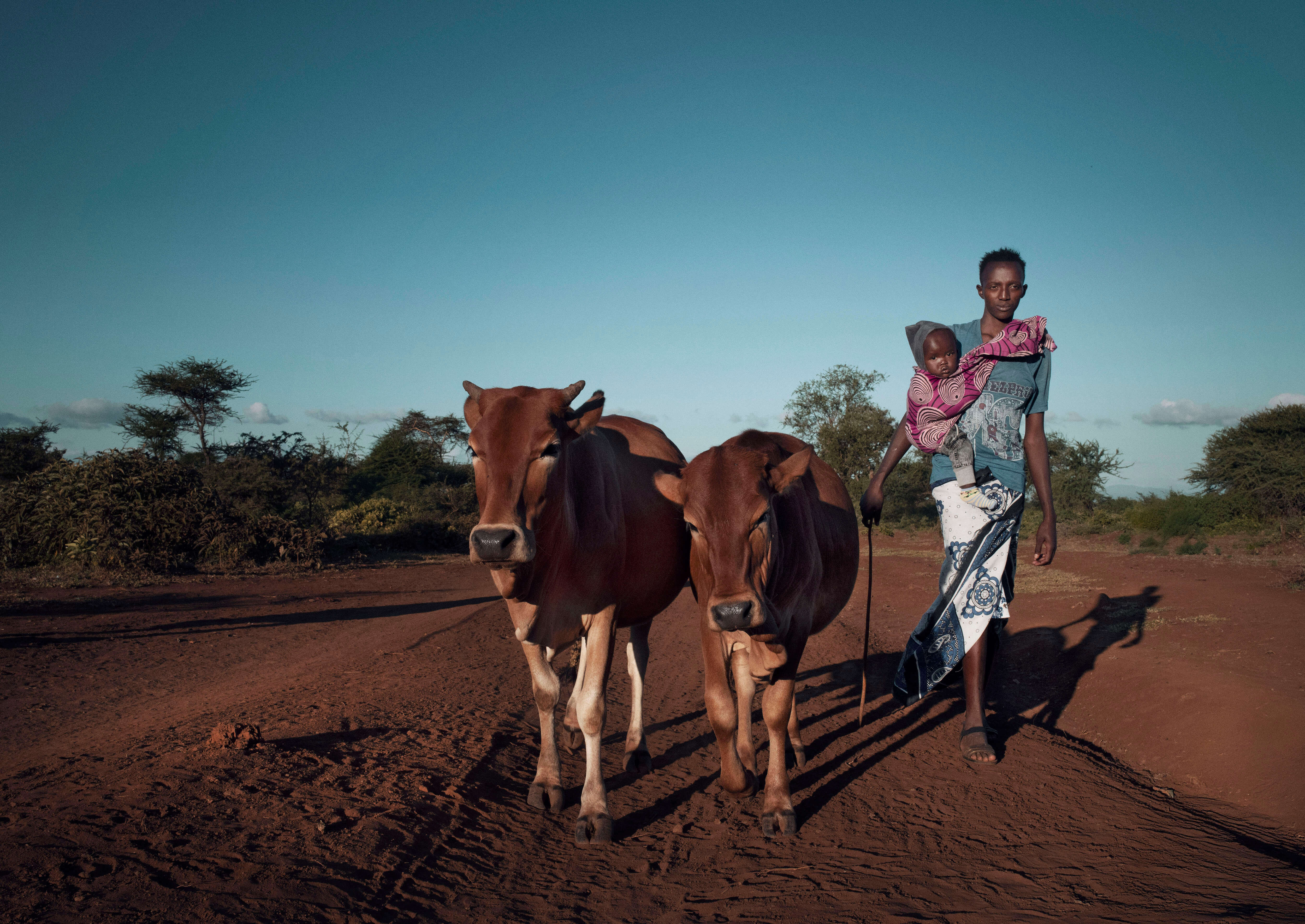
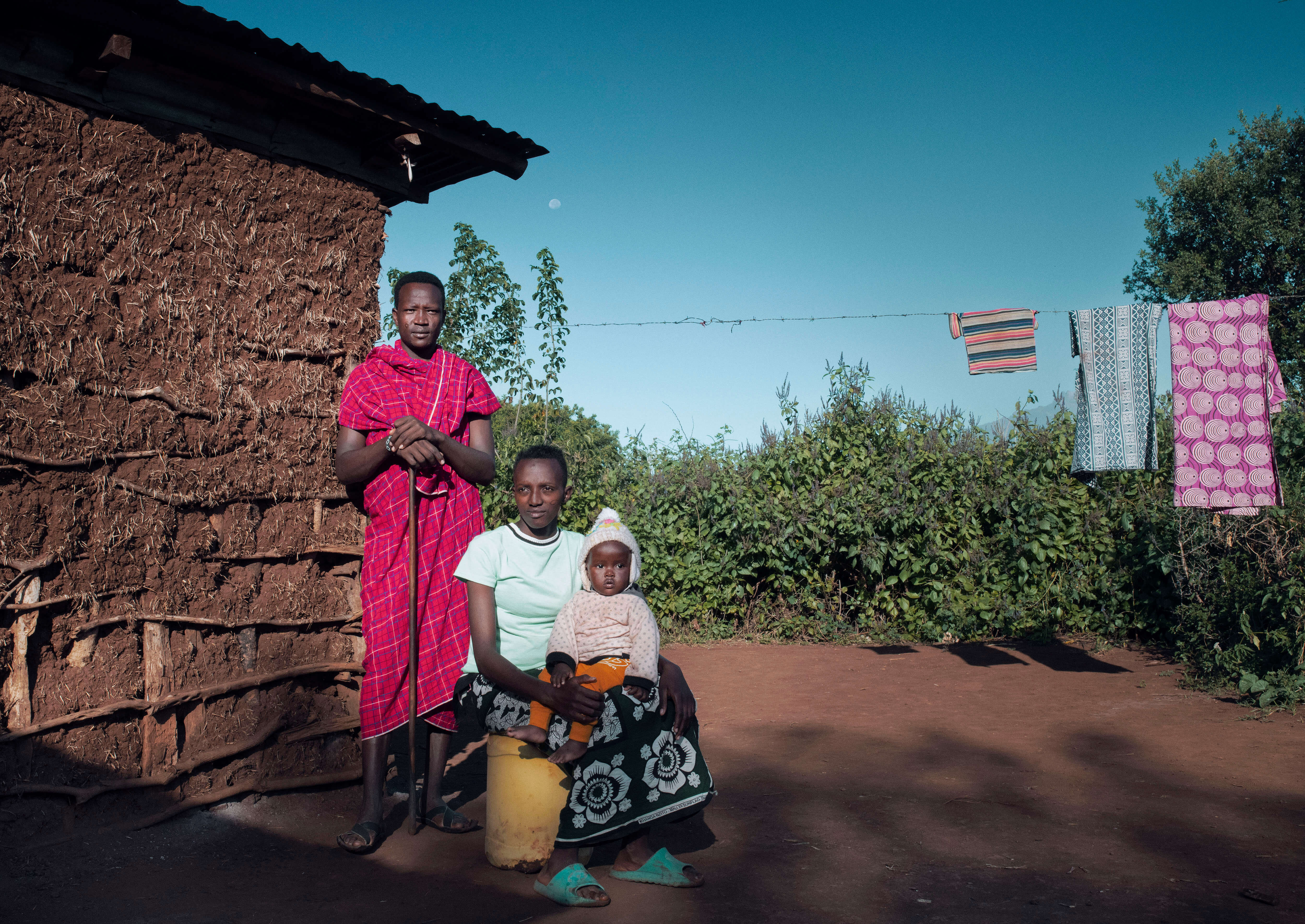
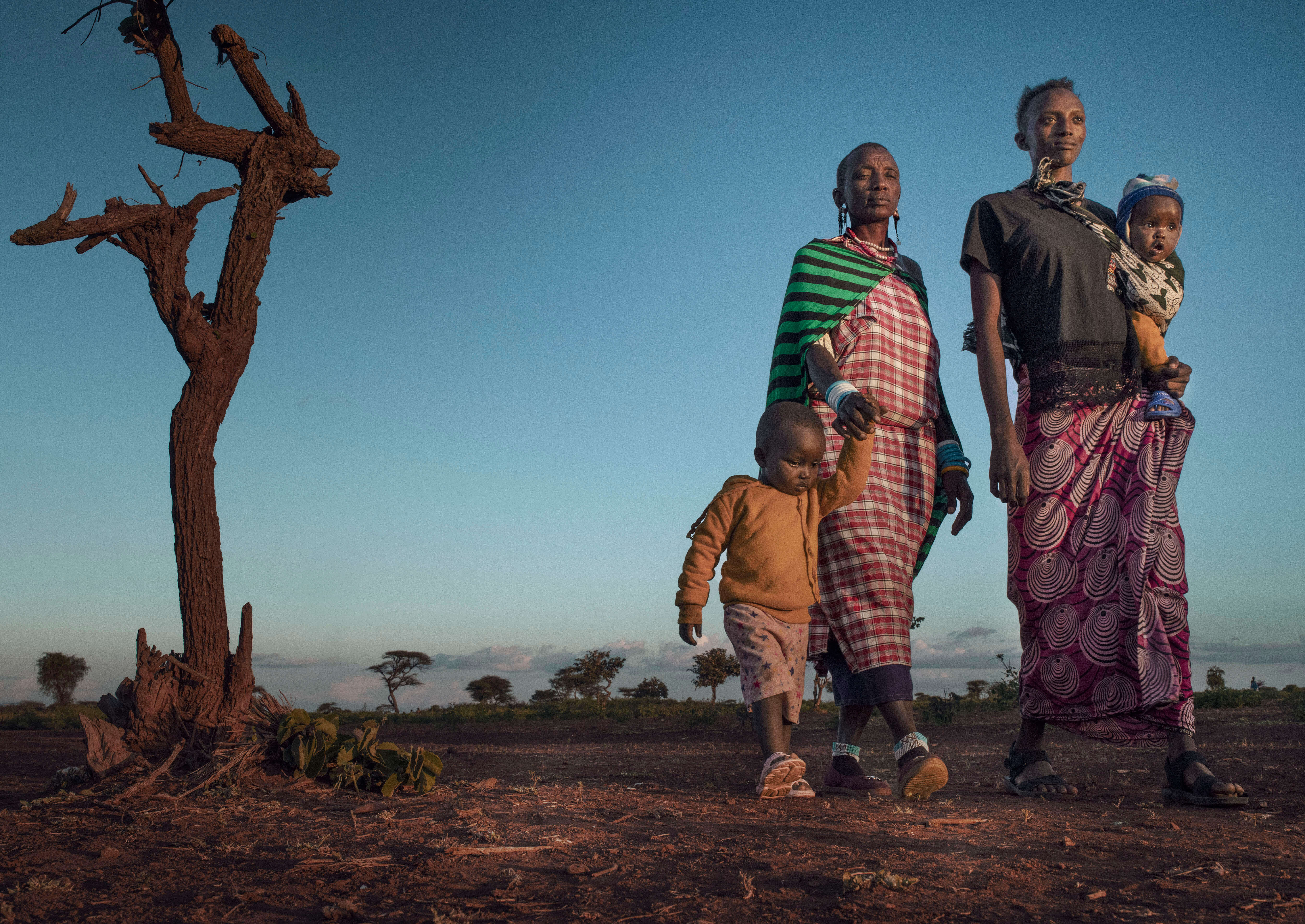
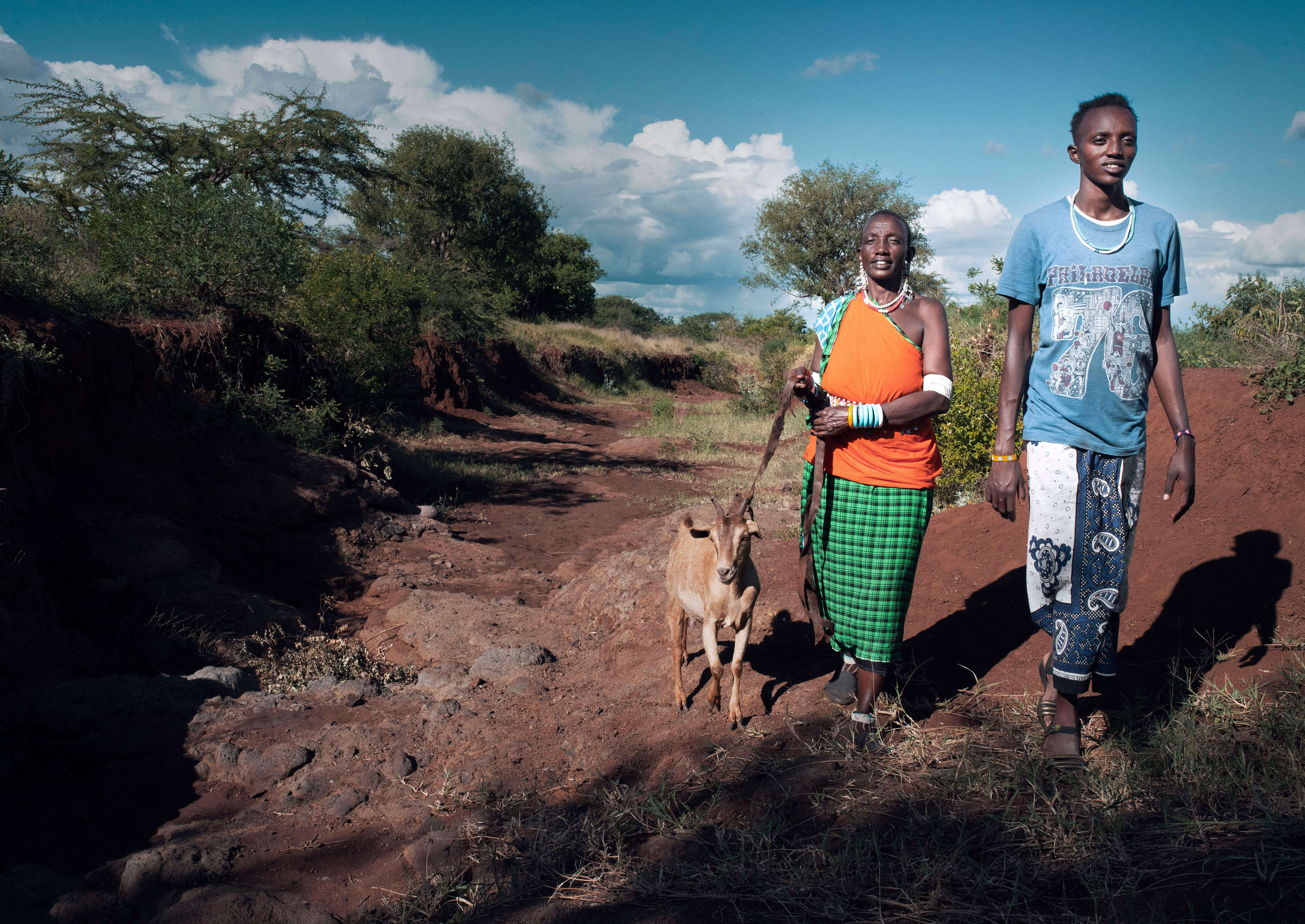
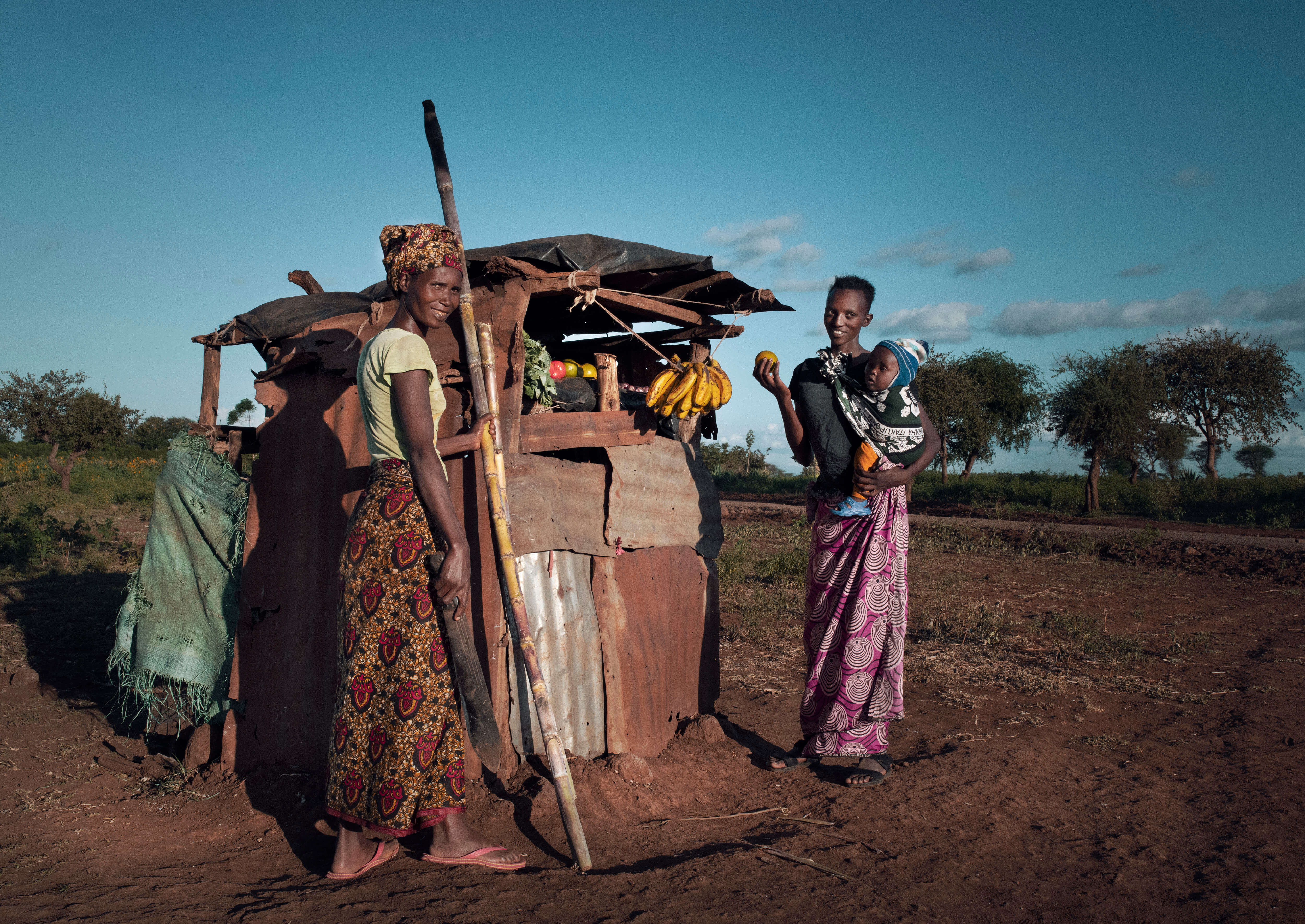
In rural Kenya, girls are still being forced into marriage despite laws prohibiting the practice. At seventeen, Esther Solonka was married off to a man more than twice her age in exchange for cattle. Her story reveals how poverty, deeply rooted traditions and gender inequality continue to rob girls of their childhood, education and freedom.
Her story is far from exceptional. Despite Kenya’s laws against child marriage and female genital mutilation (FGM), both practices persist in rural communities. Poverty, climate change, patriarchal traditions and the economic importance of bridewealth continue to put girls at risk, while weak law enforcement and corruption allow perpetrators to escape punishment.
Through the experiences of Esther, her brother, a traditional community elder, a woman who performs female genital mutilation and a local police officer, the reportage examines why these practices persist and how difficult it is for girls to break free. Their stories reveal the tensions between cultural traditions, economic survival and fundamental human rights.
At the same time, change is emerging from within communities. Education, local activism and alternative coming-of-age ceremonies are helping challenge harmful traditions and create new opportunities for girls. Now nineteen, Esther hopes to return to school, become financially independent and raise her sons in freedom.
Images: Nicole Franken – Text: Yvonne Dudock